
I spent a master's degree
learning why bodies break down
Then I spent years asking a lot of my own. Both of those turn out to matter when you're writing someone's programme.
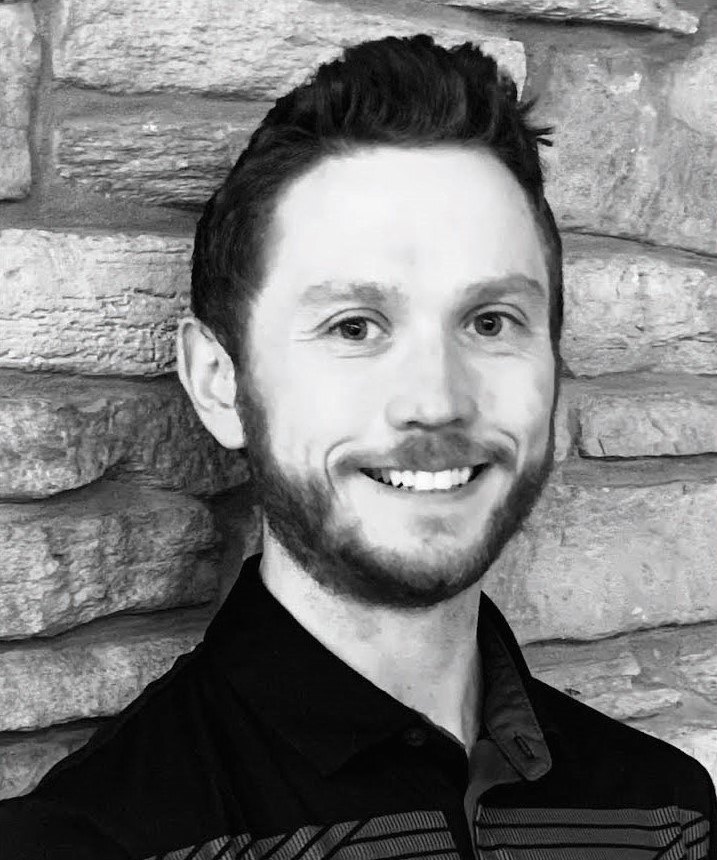
Jonathan Fuller
Clinical Exercise Therapist. BSc Kinesiology. CSEP Certified Personal Trainer. Master of Science in Physical Therapy. Coaching remotely across the US and Canada.
I came to this the long way round. A kinesiology degree taught me how bodies produce force. A master's in physical therapy taught me the far more useful thing: why they stop being able to, and what it takes to get that back. Those two answers are not the same, and most fitness advice only ever addresses the first one.
Somewhere in there I also started running very long distances. The Canadian Death Race. The Divide 200. Iron Legs 100km. The Lone Wolf Backyard Ultra. I mention it not because you need to run 200 kilometres, but because it taught me something no textbook did: what it actually costs to ask a lot of a body, and what it takes to keep asking, year after year, without falling apart.
The people I work with aren't trying to run 200 kilometres either. They're adults who want to be stronger and more capable, who've got an old shoulder or a fused back or a knee that's never been quite right since, and who are tired of programmes that pretend none of that exists.
What I actually believe
The first four weeks should feel too easy
Almost every programme you've tried started at the intensity it wanted to end at. That's why you hurt in week three. I'll hold you back on purpose, and it will feel wrong, and then it will make sense in week eight when you're still training and everyone else has stopped.
Adherence beats optimisation
The theoretically perfect programme you do twice is worse than the decent one you do for a year. So I write for the three days a week you actually have, in the space you actually train, with the equipment you actually own.
You should be able to see the change
Feeling better is real but it's slippery, and memory is unreliable. So we screen and measure at week zero and we do it again at week twelve. If nothing moved, that's my problem to solve, and I'd rather know.
Knowing my limits is part of the job
This is coaching, not health care. When something you bring me is outside what coaching should handle, I'll say so plainly and help you find the right person. That's not me failing. That's the service working.
What I am and what I'm not
I hold a Master of Science in Physical Therapy. It's a real degree and it shapes how carefully I screen you before I load you. It's the single biggest reason my programmes look different from a template.
I am not a registered physiotherapist in Alberta, and I don't practise as one. I work with you as a Clinical Exercise Therapist, coaching exercise and physical capacity. I don't diagnose, I don't treat injuries, and I don't prescribe diets.
On nutrition I'll coach habits: protein, structure, consistency, the boring things that actually work. For anything clinical I'll refer you to a registered dietitian, because that's their profession and not mine.
I'd rather tell you this on the front page than have you find out later.
Twenty-five minutes, no pitch
Tell me what you're trying to do and what your body has been through. I'll tell you honestly whether I can help.